
Low-Intensity Vibration therapy

Marodyne LiV for bone health

A clinically approved, non-drug Class IIa medical device for osteoporosis, bone density, balance and healthy ageing — just 10 minutes a day.

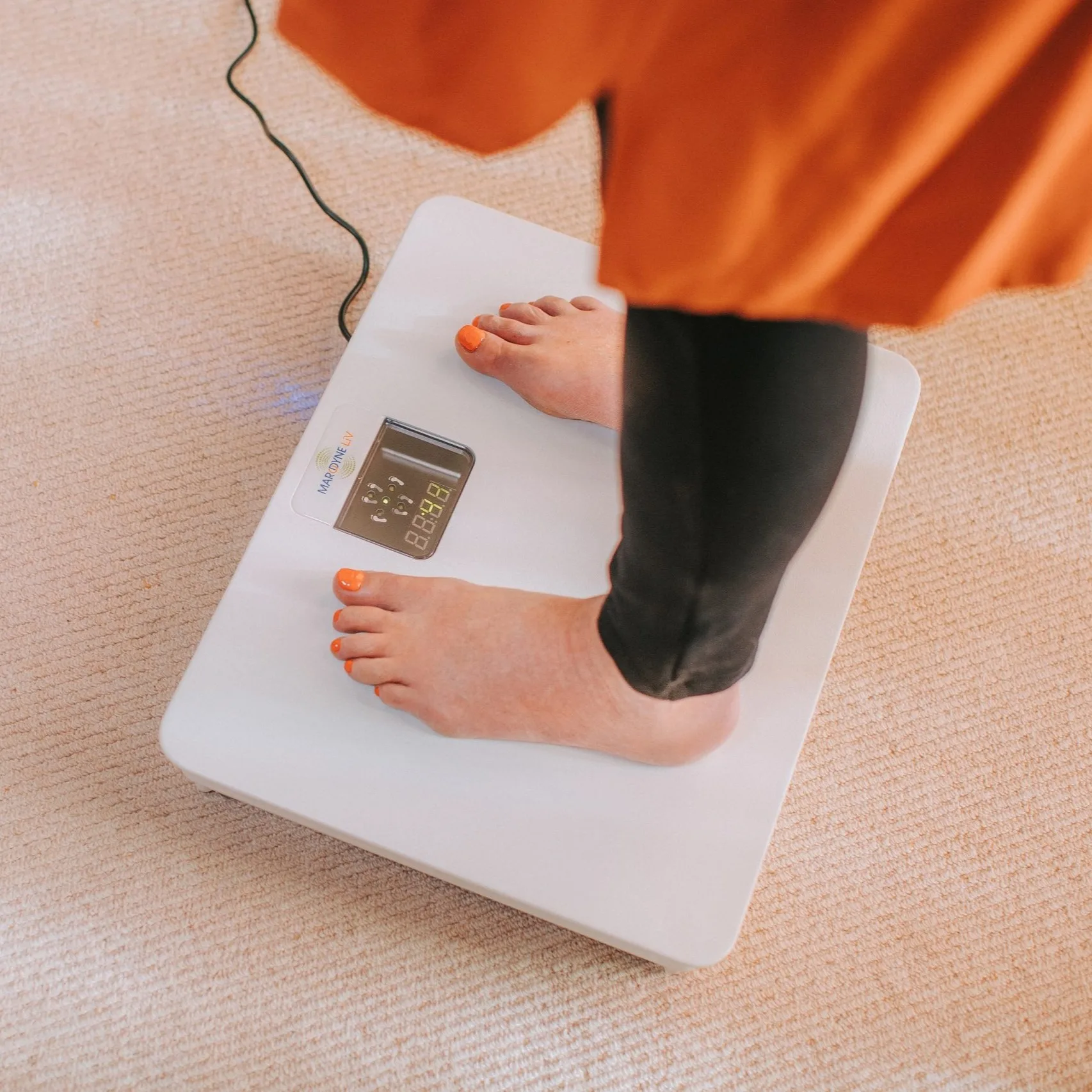
Marodyne LiV low-intensity vibration device in a clinical setting

10 min

Daily use

0.4g

Low-intensity signal

30 Hz

Calibrated frequency

<0.1mm

Amplitude

ARTG

317506 listed

TGA-listed devices

Erchonia systems supplied in Australia are listed on the ARTG by the sponsor.

Evidence-led

Device claims reference published clinical studies, not marketing copy.

Used in Australian clinics

Supplied to physiotherapy, podiatry and chiropractic practices nationally.

Secure checkout

Payment is completed on the encrypted RehaCare store.

What the data shows

Clinical results measured in real trials

+2.17%

Bone mineral density improvement (Leung, 2014)

2.1%

Average BMD increase in one-year post-menopausal study

46%

Reduction in falls rate (community-dwelling elderly)

60+

Peer-reviewed studies and trials

Overview

A 10-minute daily ritual for long-term skeletal health

Marodyne LiV uses Low-Intensity Vibration (LiV) to gently stimulate the body's own natural response — increasing bone mineral density, improving blood flow and building muscle strength. It is safe enough for fragile bones, precise enough for a Class IIa medical device, and simple enough for daily home use.

Non-drug, non-invasive bone therapy

Marodyne LiV is a Class IIa medical device that uses Low-Intensity Vibration to gently stimulate bone mineral density, muscle strength and balance — without medication, physical strain or side effects.

10 minutes a day at home

The patient simply stands on the device for 10 minutes while the calibrated 30 Hz signal activates the skeletal system. The device auto-calibrates to body weight and shuts off when the session is complete.

Safe for fragile bones

At 0.4g, the signal sits well below occupational vibration thresholds and is designed for people with osteoporosis, osteopenia, cancer-related bone loss and other conditions where high-impact loading is unsuitable.

Born from spaceflight research

The technology was developed with NASA and the NIH to counter astronaut bone loss in microgravity. The platform represents nearly 40 years of research and more than USD $70 million in investment.

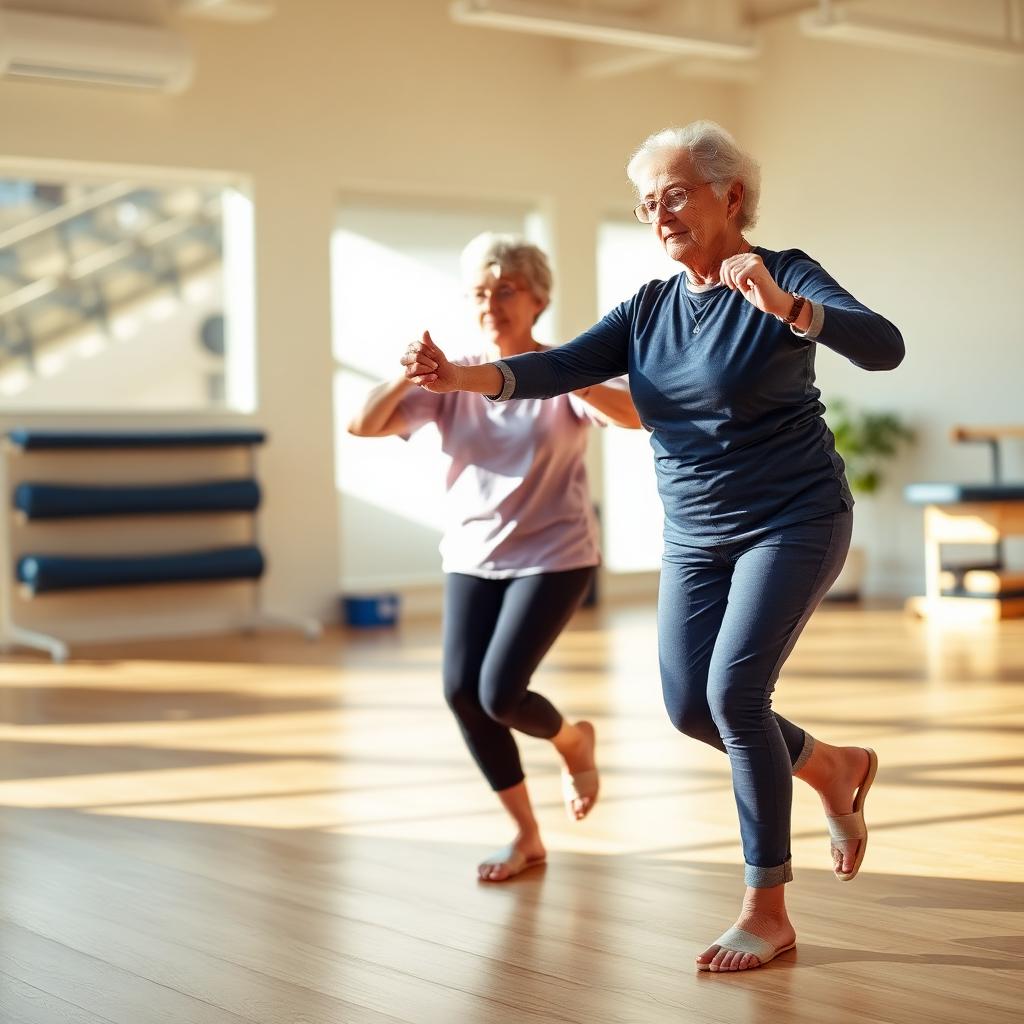
Older adult staying active with Marodyne LiV for bone health and balance

Designed for the people who need it most

Used across Australia and New Zealand

Marodyne LiV is used daily by post-menopausal women, adults with osteopenia and osteoporosis, cancer survivors, elite athletes and clinicians looking for a non-drug, non-invasive way to support skeletal health, muscle strength and fall prevention.

Australian Register of Therapeutic Goods number 317506. Always read the label and follow directions for use.

The 10-minute daily ritual

How it works

1

Step on

The device automatically detects the user's body weight and calibrates the vibration frequency for the individual.

2

Stand tall

The 0.4g, 30 Hz mechanical signal travels from the feet through the hips, signalling osteoblasts to build new bone tissue.

3

Repeat daily

After 10 minutes the device shuts off. The user has stimulated their body's natural bone remodelling and postural control mechanisms.

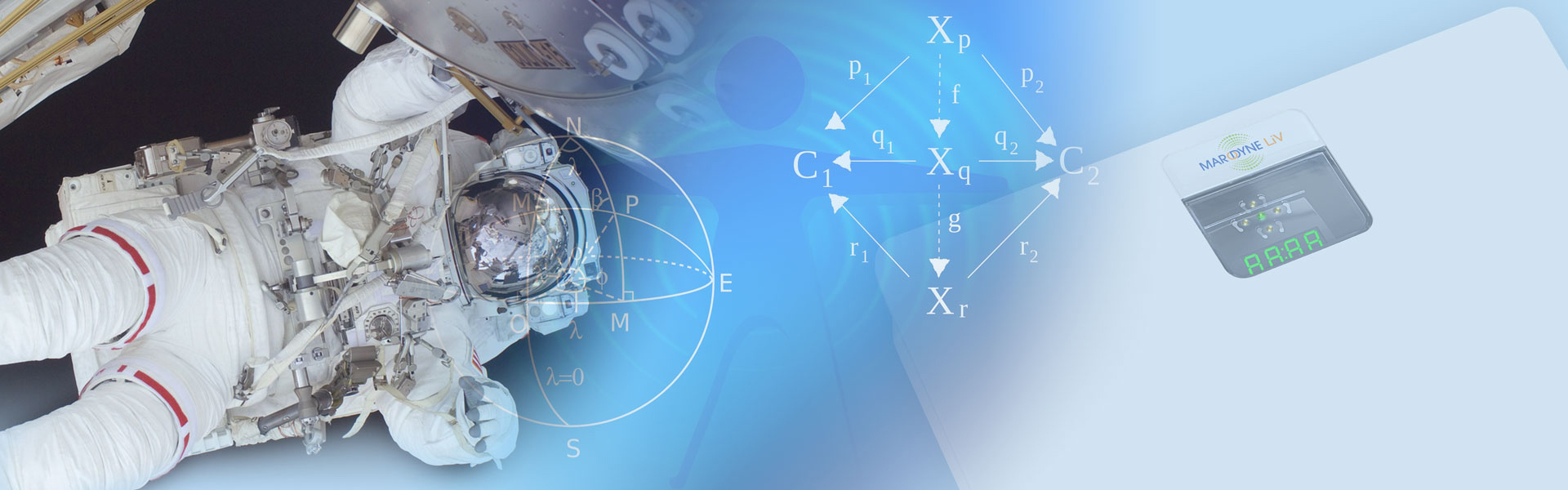
NASA research origins of Low-Intensity Vibration technology

Born from spaceflight science

How a whisper-quiet 30 Hz signal rebuilds bone

Discovered by Professor Clinton Rubin in collaboration with NASA to counter astronaut bone loss in microgravity, Low-Intensity Vibration delivers a precisely calibrated 0.4g signal at 30 Hz — safe enough for fragile bones, yet biologically potent enough to stimulate bone remodelling, muscle tone and balance.

The development represents nearly 40 years of research and over USD $70 million of investment, supervised by a scientific advisory board of leading experts in biomedicine, orthopaedics, osteoporosis, metabolism and rehabilitation medicine.

Proven by clinical data, not marketing

Clinical evidence

A curated selection of peer-reviewed research examining the safety and efficacy of Low-Intensity Vibration for bone density, falls prevention and musculoskeletal health.

Falls prevention

Leung et al., 2014; Cheung et al., 2016

Two long-term controlled trials in community-dwelling elderly women showed a 46% reduction in fall rate with Low-Intensity Vibration. Muscle strength and balance advantages were maintained a year after stopping treatment.
Bone microstructure

Randomised placebo-controlled trial (JBMR, 2020)

High-resolution MRI showed LiV improved trabecular bone microstructure and strength, and reduced marrow adiposity in pre-osteoporotic post-menopausal women — evidence at the tissue level, not just DEXA.

Postural stability after disuse

Muir, Judex, Qin, Rubin

A randomised trial showed that brief daily low-magnitude vibration protected postural control in adults exposed to prolonged bed rest — mirroring the disuse conditions that accelerate bone and balance loss with age.

Safety profile

JSMAS, 2013

Independent assessment of commercial vibration platforms found many exceed occupational safety thresholds. Marodyne's 0.4g signal at 30 Hz sits within safe, therapeutic limits for daily home use.

Technical specifications

Device specifications

Marodyne LiV specifications
Therapeutic signal0.4g at 30 Hz
Amplitude<0.1mm
Daily treatment time10 minutes
User positionStanding, weight-bearing
Auto-calibrationYes — adjusts to user body weight
Weight8.1 kg
Dimensions7.7 cm H × 45.7 cm W × 35.6 cm D
Power100–240V AC 50–60Hz input; 16V DC, 70W max
Medical device classificationClass IIa
Australian regulatory listingARTG 317506
Warranty2-year limited
In-boxDevice, power supply, custom travel bag, instructions
Use environmentHome or clinical setting
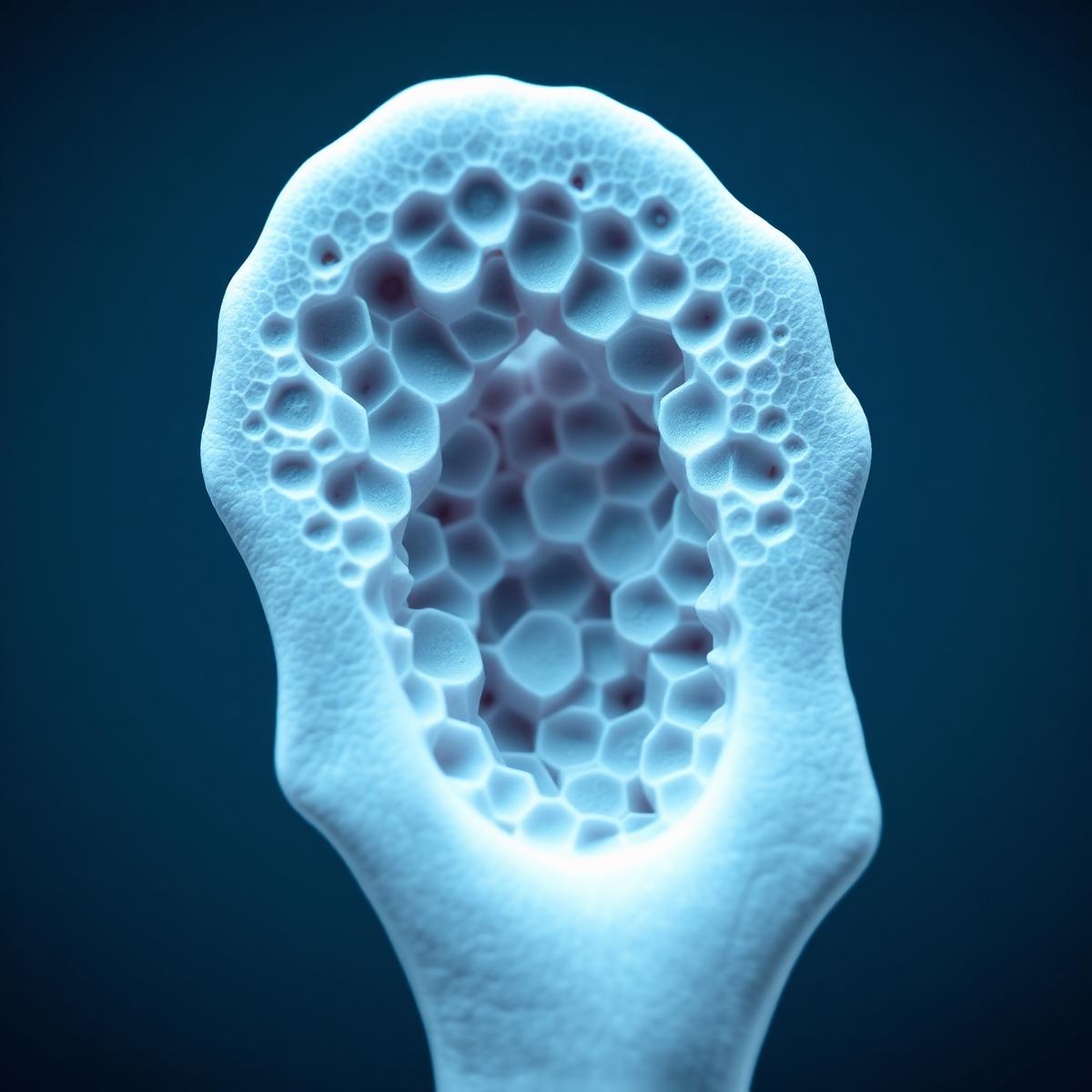
Microscopic view of trabecular bone structure supported by Low-Intensity Vibration

Why LiV is different

Marodyne LiV vs other bone-health approaches

Low-Intensity Vibration occupies a unique position: it is a mechanical, non-drug therapy with strong clinical evidence, designed for patients who cannot tolerate high-impact loading or pharmacological side effects.

Comparison of Marodyne LiV with other approaches
FeatureMarodyne LiVHigh-magnitude WBVDrug therapyExercise alone
MechanismLow-Intensity Vibration (LiV) — 0.4g at 30 HzHigh-magnitude whole-body vibration (1–10g+)Pharmacological bone remodelling agentsProgressive weight-bearing and resistance loading
Physical strainNone — passive standingModerate to high joint loadingSystemic, not mechanicalCan be limited by pain, frailty or injury
Suitable for fragile bonesYes — designed for osteoporotic boneRisk of microtrauma in high-risk patientsVaries by agent and contraindicationsRequires careful dosing and supervision
Daily adherence10 minutes at home, easy to integrateTypically gym or clinic basedDepends on medication scheduleCan be difficult to sustain long-term
Evidence baseNASA/NIH-funded, peer-reviewed RCTsMixed evidence, often fitness-focusedWell established but with side-effect profilesStrong, but not always achievable

The numbers, visualised

Intensity, bone density and falls — side by side

Three charts that explain why a signal this small produces a clinical effect this large, and why intensity is not the same thing as efficacy.

Signal intensity

Peak acceleration compared with vibration plates

Marodyne LiV0.4g

0.4g at 30 Hz — below the safety guideline

ISO safety guideline1g

1.0g daily-exposure reference

Consumer vibration plate3.5g

Typically 2–5g, unregulated

Gym / pivotal platform8g

Up to 10g peak acceleration

Peak acceleration in g. The dashed line marks the 1.0g daily-exposure guideline referenced in the vibration safety literature; Marodyne LiV sits well below it, while typical fitness platforms sit far above.

Bone mineral density

12-month BMD change: LiV versus untreated control

LiV group (Leung, 2014)+2.17%
LiV group (post-menopausal, 1 yr)+2.1%
Untreated control-1.6%

% change in BMD over 12 months. Figures as reported in the Low-Intensity Vibration trial literature; individual results vary and depend on adherence, nutrition and concurrent care.

Falls prevention

Falls rate against control group

Control group100%
LiV group54% (−46%)

Relative falls rate, indexed to the control group. Based on long-term controlled trials in community-dwelling elderly women (Leung et al., 2014; Cheung et al., 2016).

Not a vibration plate

Marodyne LiV vs a commercial vibration platform

The two look superficially similar. Clinically they are entirely different devices — different intensity, different regulatory class and different patient group.

Specification comparison between Marodyne LiV and commercial vibration platforms
SpecificationMarodyne LiVCommercial vibration plate
Peak acceleration0.4g — precisely calibrated2–10g, varies with load and setting
Frequency30 Hz, fixed and verified5–50 Hz, user selectable
Amplitude<0.1 mm1–10 mm
Regulatory statusClass IIa medical device, ARTG 317506Generally fitness equipment, unlisted
Session length10 minutes, auto shut-offOpen-ended, user set
Suitable for osteoporosisYes — designed for fragile boneFrequently contraindicated
Auto-calibration to body weightYesNo
Weight8.1 kg — portable, travel bag included20–80 kg

What to expect

A realistic treatment timeline

  1. 1

    Weeks 1–4

    Habit forms. Patients report improved standing tolerance and steadier gait; no measurable bone change yet.

  2. 2

    Months 2–6

    Muscle strength and postural control improvements typically appear in balance testing well before DEXA change.

  3. 3

    Months 6–12

    Bone remodelling becomes measurable. Trial data shows BMD gains of around 2% against continued loss in untreated controls.

  4. 4

    12 months +

    Benefits are maintained with continued daily use; trial follow-up showed strength and balance advantages persisting a year after therapy stopped.

Balance and postural control training alongside Low-Intensity Vibration therapy
Trabecular bone microstructure targeted by Low-Intensity VibrationOlder adult using the Marodyne LiV device at home

Applications

Who Marodyne LiV is for

Post-menopausal women

Addresses the steep bone-density decline that follows menopause through a non-drug, home-based daily intervention that fits around work and family.

Osteoporosis and osteopenia patients

Provides a clinically approved adjunct for patients who cannot tolerate, or do not want, pharmacological therapy alone.

Older adults and fall prevention

Improves balance, muscle strength and postural control — the three modifiable factors most strongly linked to falls in the elderly.

Cancer survivors

Used to support skeletal health during and after treatment where bone density is compromised by therapy or hormonal changes.

Athletes and active adults

Delivers a low-load anabolic signal that complements training and recovery where high-impact loading is being managed or reduced.

Clinics and allied health practices

A take-home, clinician-recommended device that extends a practice's bone-health and falls-prevention service beyond the treatment room.

Older adults improving balance and postural control through therapy

Falls prevention

A 46% reduction in falls, sustained beyond treatment

Two long-term controlled trials in community-dwelling elderly women demonstrated significant reductions in fall rate — and lasting improvements in balance and muscle strength up to a year after therapy stopped. For a condition where one in three Australians over 65 falls each year, this is a clinically meaningful outcome.

Read the falls prevention research

Questions

Frequently asked questions

What does Marodyne LiV feel like?

The vibration is very gentle — often described as a subtle buzz or hum. It is not a massage or a workout; the patient simply stands on the device for 10 minutes.

How long before results are seen?

Bone remodelling is a slow process. Clinical trials typically measure outcomes over 12–18 months of consistent daily use, alongside standard care and nutrition.

Is it safe for people with osteoporosis?

Yes. Marodyne LiV is specifically designed for fragile bone. The 0.4g signal is well below the thresholds used by gym vibration plates and is ARTG-listed as a Class IIa medical device.

Can patients use it unsupervised at home?

Yes. The device is designed for home use after initial guidance. It auto-calibrates and shuts off automatically after 10 minutes.

Do you need a prescription?

No prescription is required, but it is commonly recommended by clinicians, physiotherapists, chiropractors and general practitioners as part of a bone-health plan.

Where can I buy Marodyne LiV in Australia?

RehaCare is an authorised distributor for Marodyne LiV in Australia. Pricing, delivery and support are handled through our clinical team. Use the enquiry form or call 1300 653 522.

Australian enquiries

Enquire about Marodyne LiV

RehaCare is an authorised Marodyne LiV distributor in Australia and New Zealand. Tell us about your clinical caseload or patient profile and we will come back with pricing, support options and how the device fits into a bone-health or falls-prevention program.

Prefer to talk? Call 1300 653 522.

Visit Marodyne AustraliaBack to laser & clinic equipment

Your details are sent to the RehaCare team through our store account system. We only use them to set up and support your account.