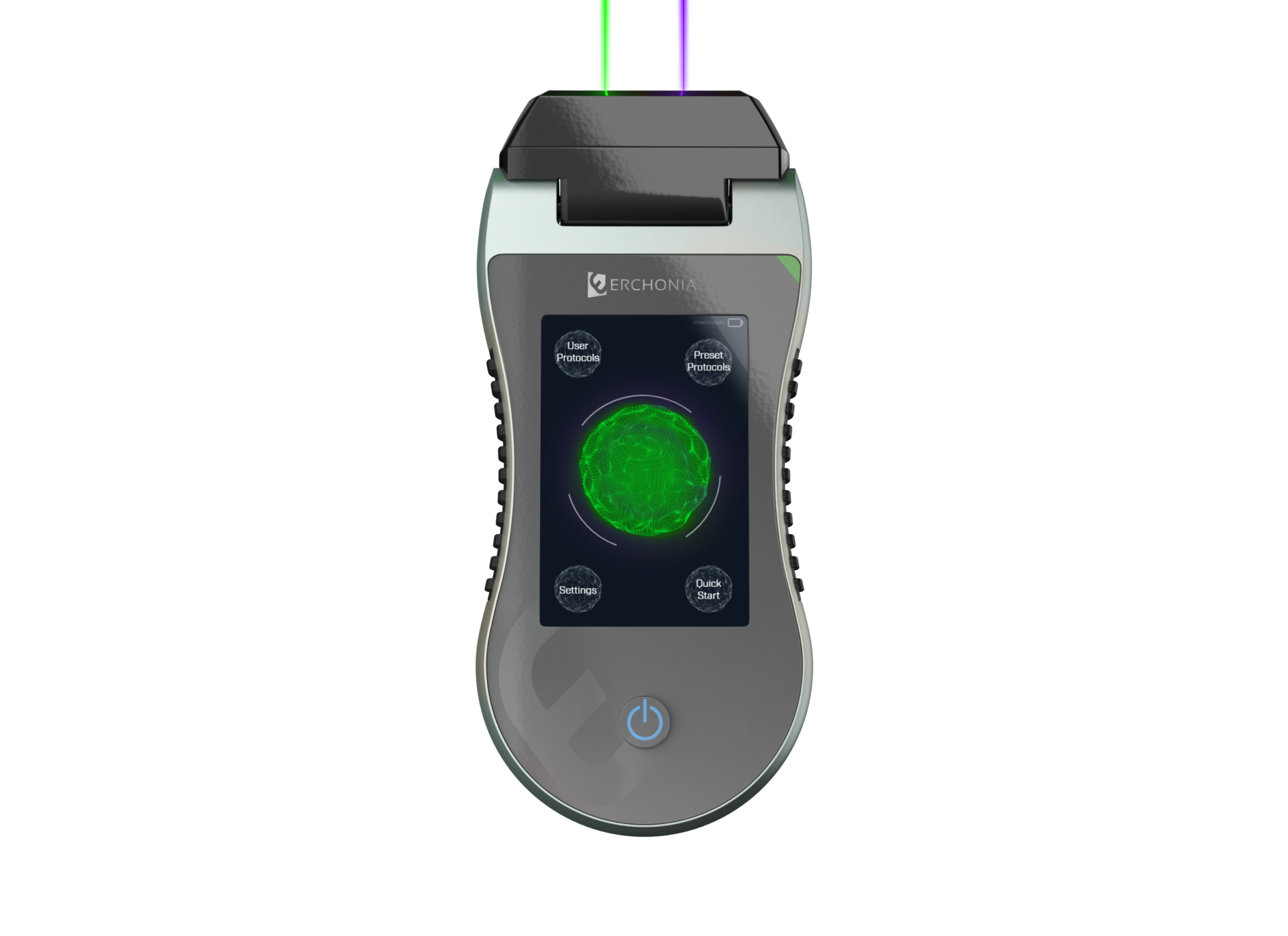
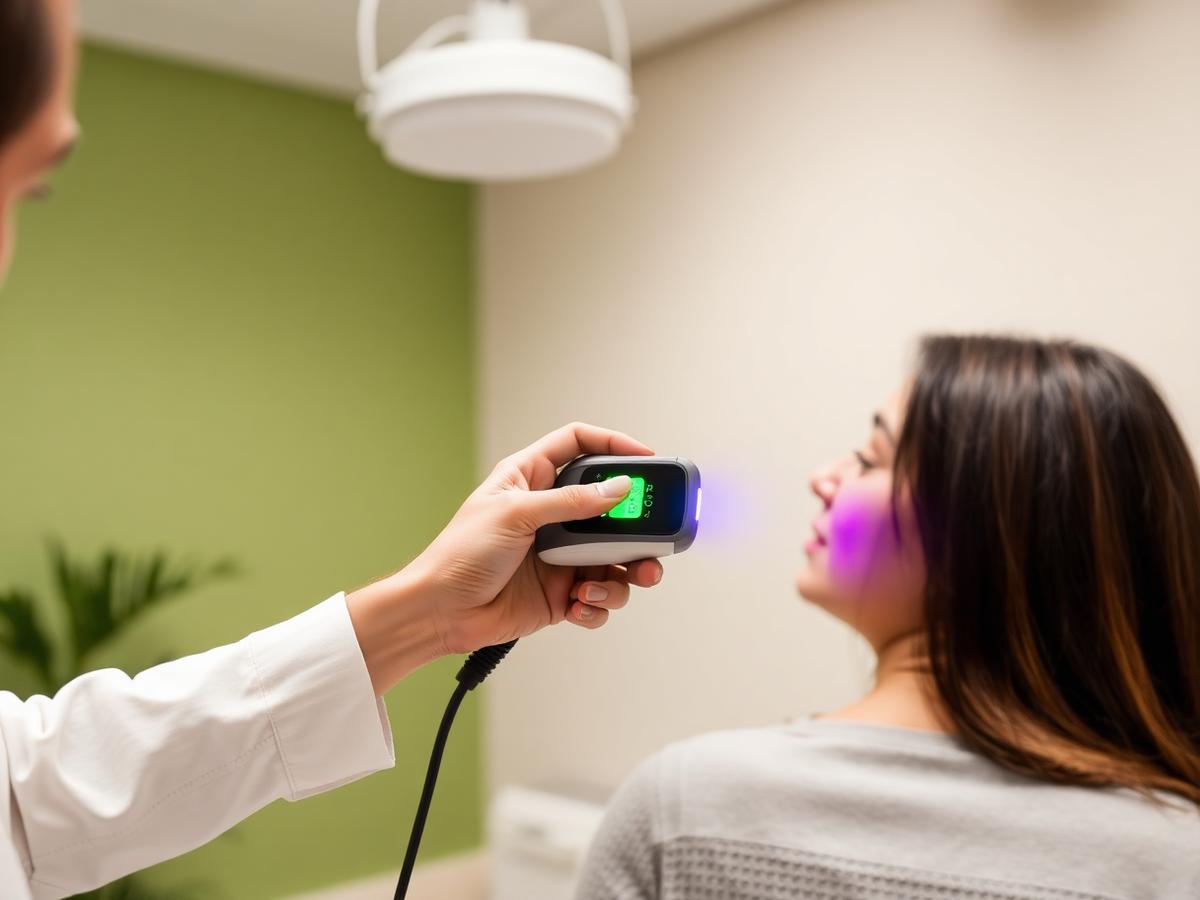
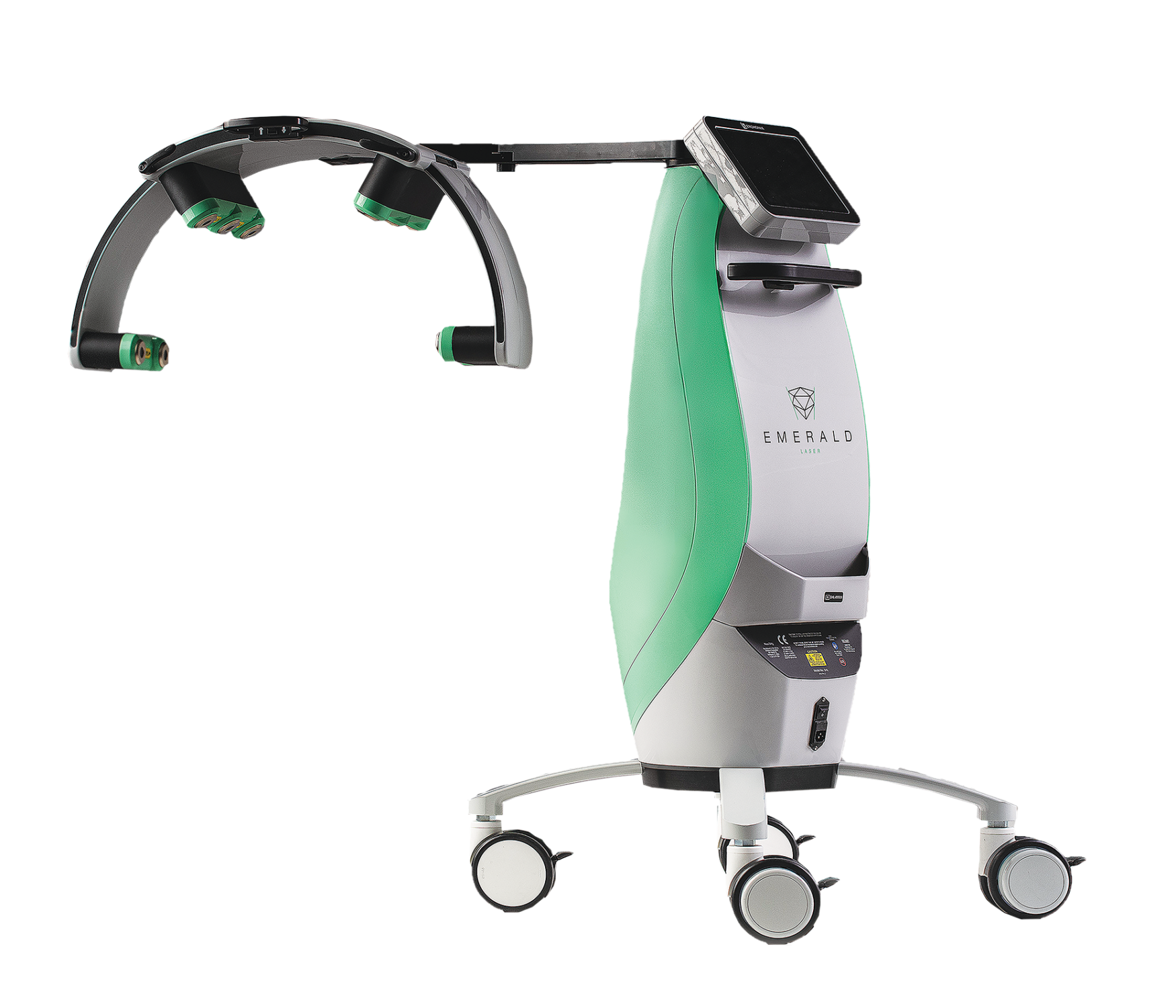
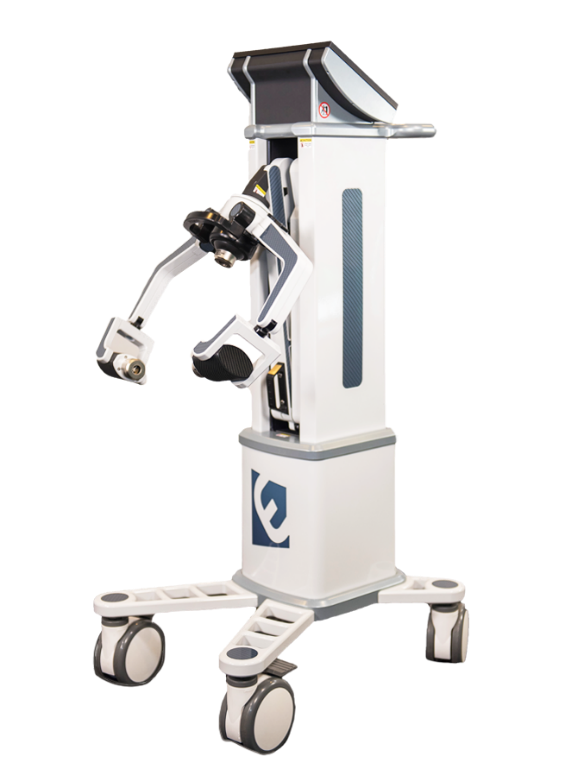
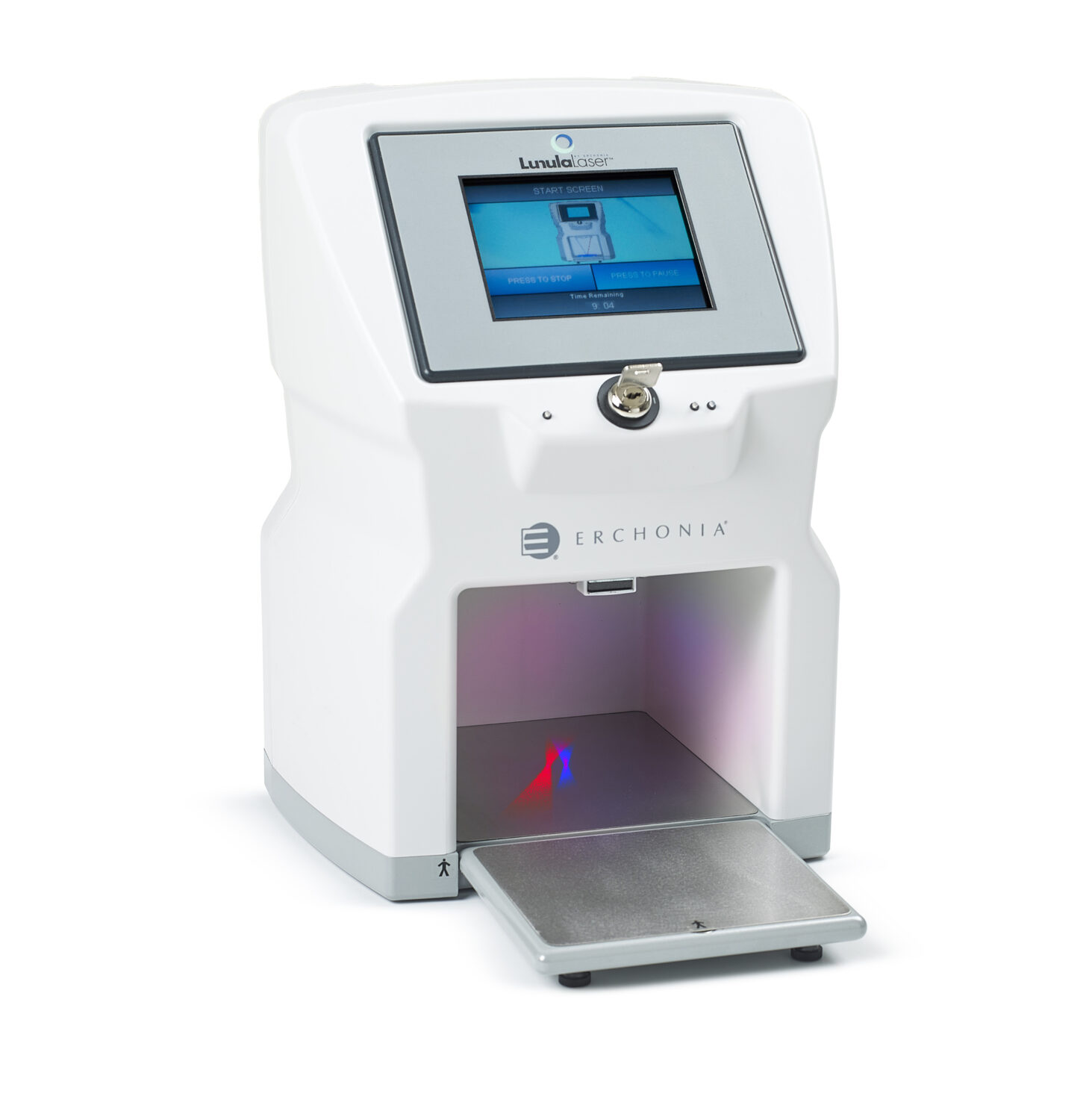
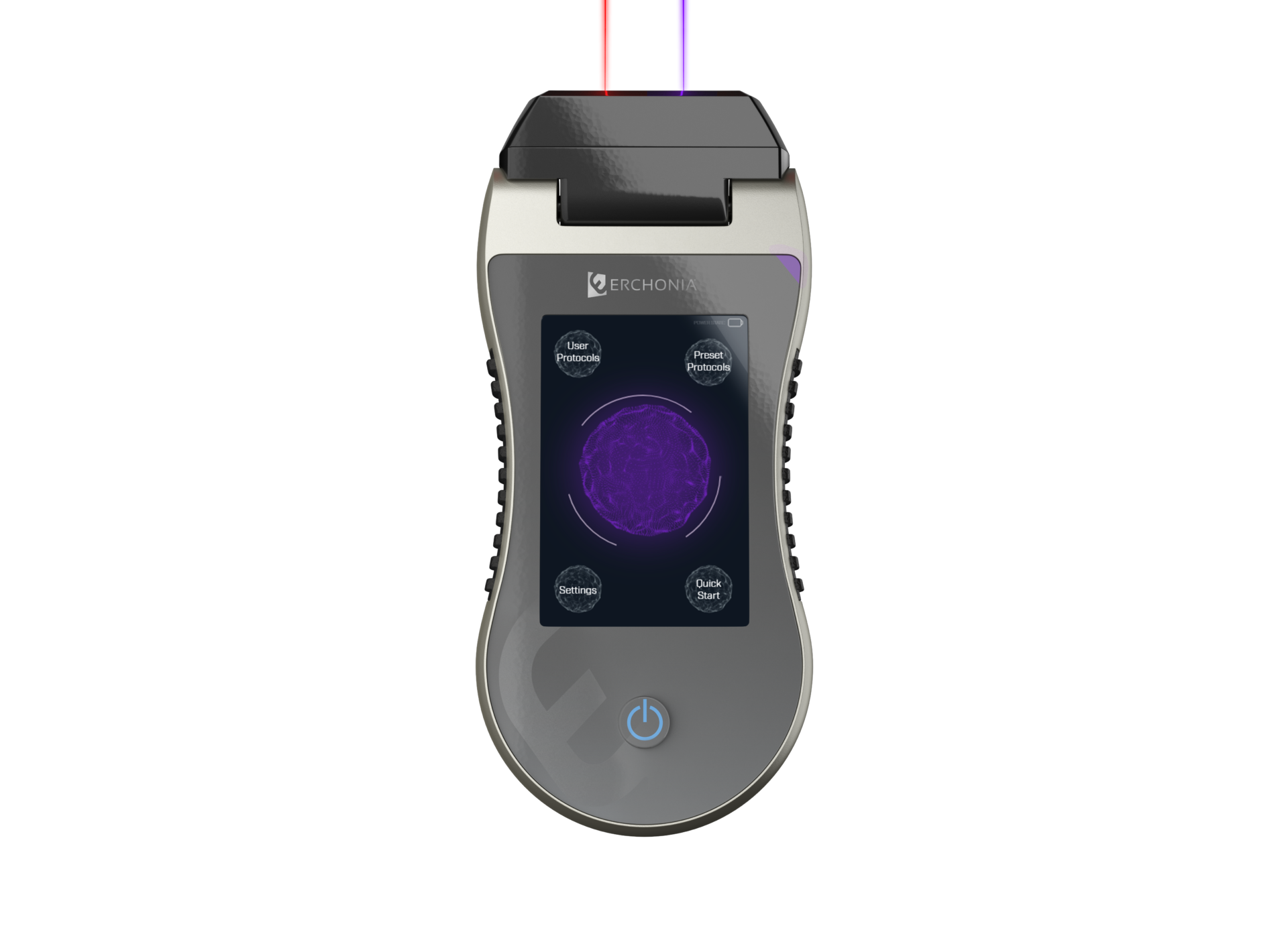
Erchonia uses low-level lasers in the visible light spectrum. The primary mechanism for absorbing visible light photons is the elevation of electrons to higher energy levels — molecular excitement.
Visible light photons match the energy volt (eV) gap between electron orbits and move the electron to an excited state. In that state, chemical reactions occur: photons strike certain atoms, an electron is pushed to a higher energy level and picked up by an electron acceptor. The electron transport chain then uses those high-energy electrons to convert ADP into ATP.
The electron transport chain is a series of four protein complexes whose redox reactions create an electrochemical gradient, producing ATP at complex 5 (ATP synthase). If there is a "kink in the hose", electron flow is limited or blocked — the laser targets the complexes to unkink it. This process does not happen with infrared lasers.