Podiatry — nail pathology

The Lunula LaserFor onychomycosis

A non-thermal laser pathway for fungal nail, without the chair time

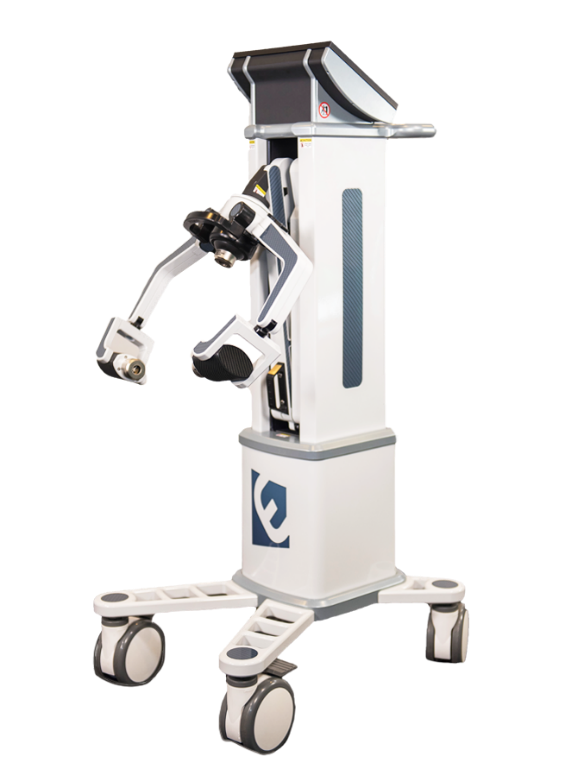
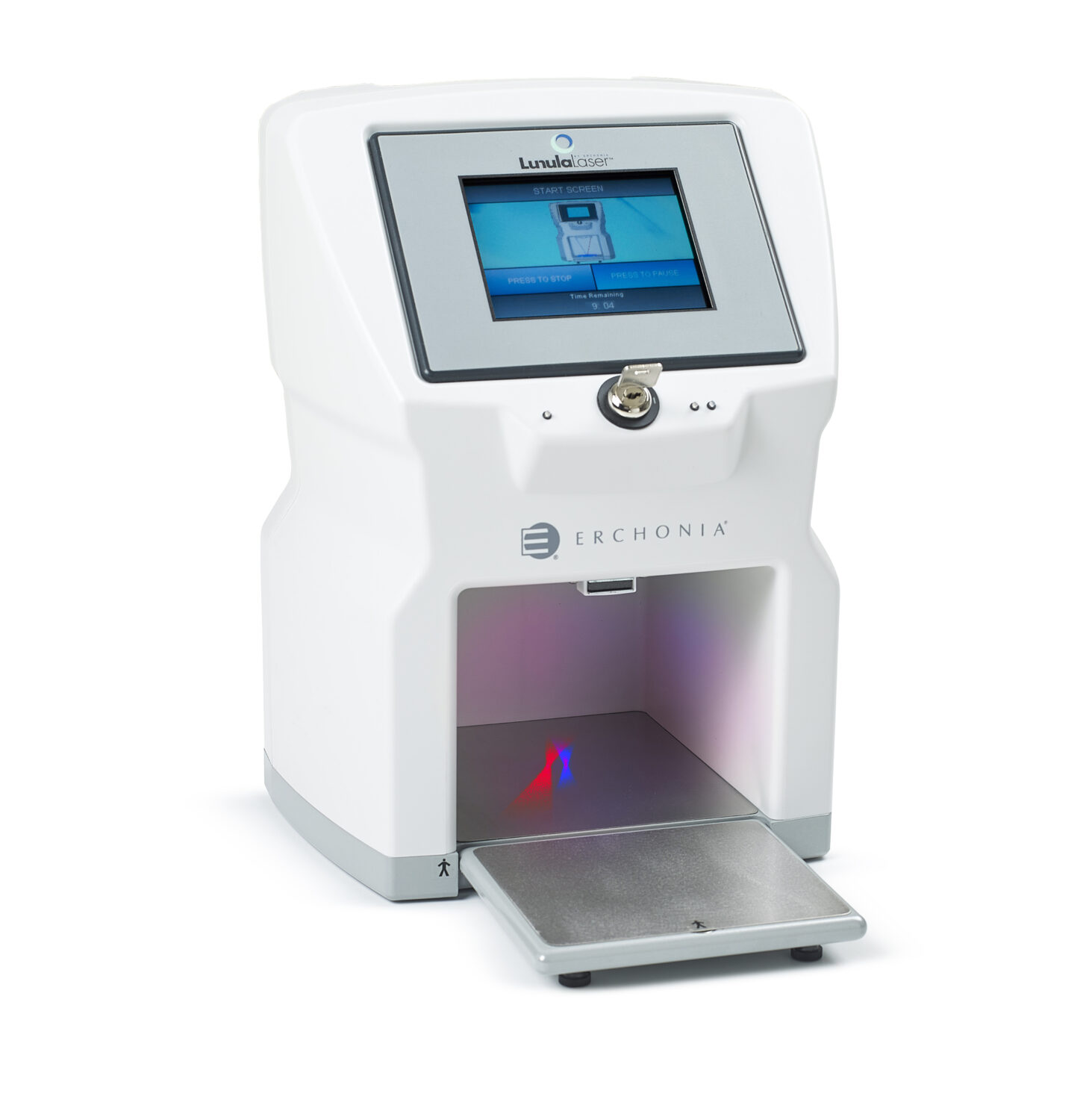
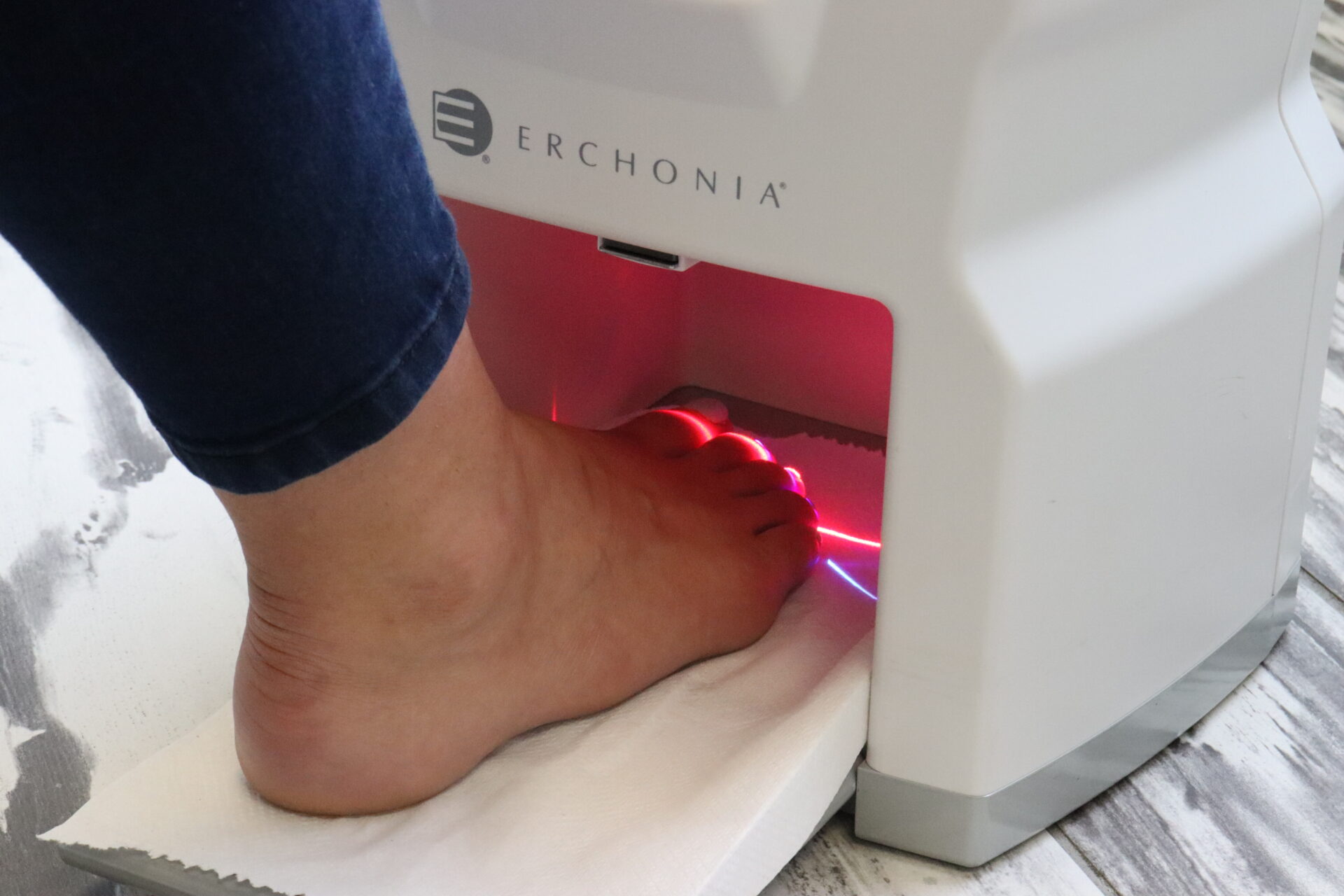
Erchonia Lunula Laser device for onychomycosis
Device imagery supplied by Erchonia.

TGA-listed devices

Erchonia systems supplied in Australia are listed on the ARTG by the sponsor.

Evidence-led

Device claims reference published clinical studies, not marketing copy.

Used in Australian clinics

Supplied to physiotherapy, podiatry and chiropractic practices nationally.

Secure checkout

Payment is completed on the encrypted RehaCare store.

Overview

About the Lunula Laser

Lunula is a hands-free, non-thermal low level laser system built specifically for onychomycosis. The patient places both feet in the unit and the treatment runs to a fixed protocol — no handpiece to hold, no heat, no debridement burden on the practitioner. For podiatry clinics, the significance is operational as much as clinical: the treatment room keeps running while the device works.

Non-thermal by design

Low level laser output means no heating of the nail plate or bed, so there is no thermal discomfort and no anaesthetic requirement.

Hands-free operation

Both feet are treated simultaneously in a fixed cycle. The practitioner sets the protocol and moves on.

Protocol repeatability

Because positioning is fixed by the unit rather than by hand, treatment delivery does not vary between operators or sessions.

Supported locally

Supplied, installed, serviced and supported in Australia by RehaCare as the authorised Erchonia distributor.

How it works

Inside a Lunula Laser treatment

1

1. Patient is positioned

The patient sits with both feet inside the unit. No debridement of the nail plate is required before treatment and no anaesthetic is used.

2

2. Fixed rotating protocol runs

Two low level laser wavelengths sweep the nail bed on a rotating gantry for the programmed cycle, treating both feet at once with no operator input.

3

3. Course is repeated

Treatments are delivered as a course over several weeks, with clearance assessed against nail growth rather than immediate appearance.

Lunula Laser in use during a podiatry treatment session
Lunula Laser in the treatment room — Fixed-position unit — measure clearance in use, not packed dimensions.

Specifications

Lunula Laser at a glance

Delivery
Hands-free, fixed-position unit
Treatment field
Both feet simultaneously
Thermal load
Non-thermal — no heating of nail plate or bed
Anaesthetic
Not required
Operator time
Set-up only; unattended during cycle
Room requirement
Dedicated floor space with clearance in use

Regulatory position

  • Erchonia devices supplied in Australia are listed on the ARTG by the sponsor.
  • Lunula holds US FDA market clearance for the temporary increase of clear nail in onychomycosis.

Clinical trial results

What the trial work reports

0

Thermal adverse events reported

Non-thermal output across published Lunula trial data.

2

Wavelengths delivered

Dual low level laser wavelengths on a rotating gantry.

Both feet

Treated per cycle

Hands-free operation frees the practitioner during treatment.

Evidence

Clinical studies behind the Lunula Laser

Erchonia builds its indications on randomised, double-blind, multi-centre, placebo-controlled trials — the same standard applied to pharmaceutical review — so the claims you make in clinic are defensible.

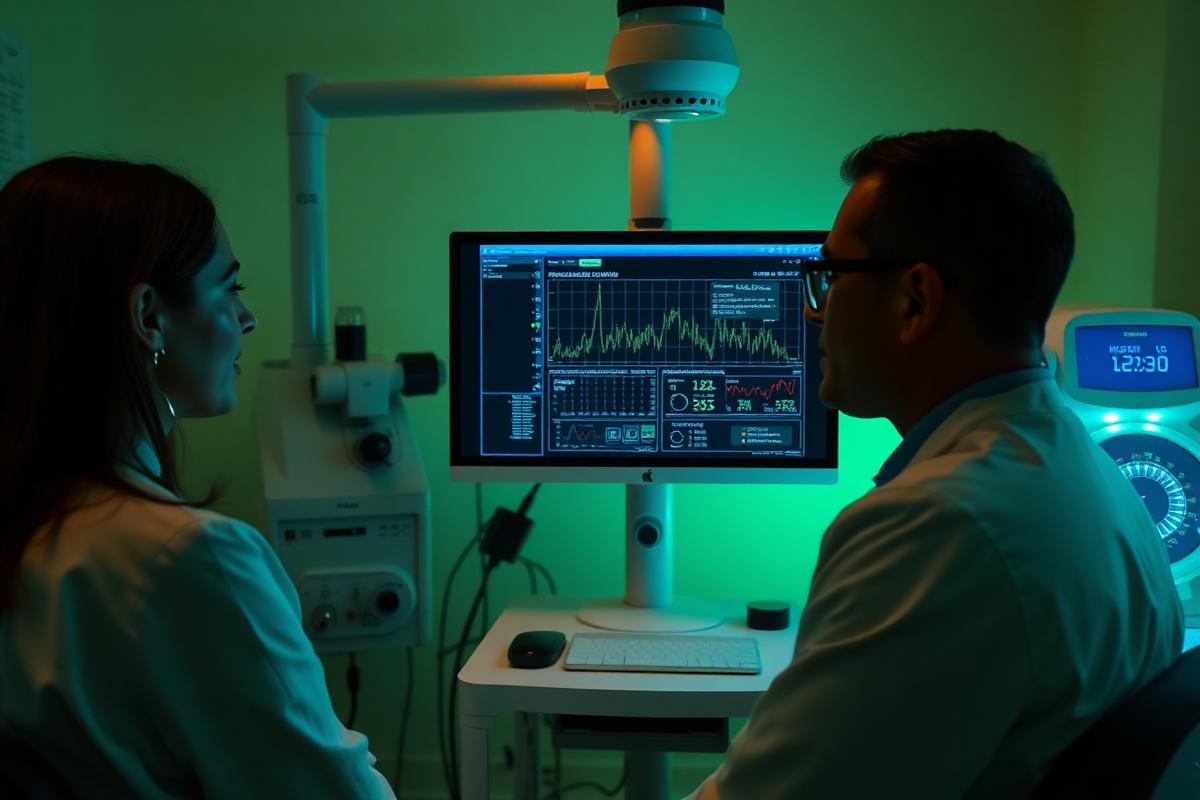
Clinical researchers reviewing double-blind laser trial data

Multi-site RCT, placebo-controlled, blinded assessment

Randomised, double-blind, placebo-controlled trial — clear nail growth

Participants with mild to moderate onychomycosis received a course of Lunula treatments or a sham protocol, with clear nail growth measured against baseline photography at follow-up.

Reported outcome. Treated nails showed a statistically significant increase in clear nail growth over sham at follow-up, with no reported thermal adverse events.
Prospective clinical series with mycological sampling

Mycological and clinical response

Treated nails were assessed for both visible clearance and laboratory mycological response following a standard treatment course.

Reported outcome. Improvement in clear nail was reported alongside a favourable safety profile, with no anaesthetic or debridement requirement.

Study summaries describe the design and reported outcomes of trial work submitted by Erchonia in support of its device clearances. Full study copies and regulatory documentation are available to practitioners on request. Nothing here is patient-facing advertising or a claim of individual results.

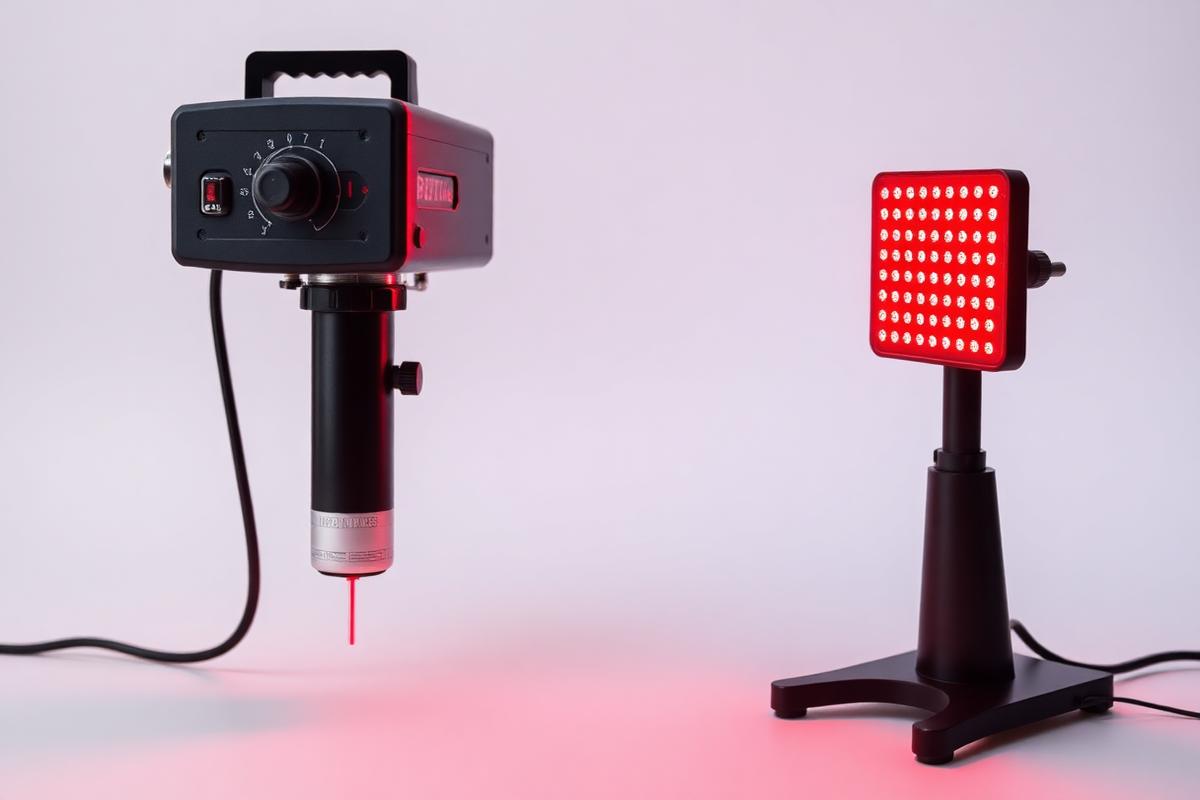
Professional low-level laser device beside a consumer red LED panel
True coherent laser output (left) versus a consumer LED array (right).

Laser vs LED

LEDs are the placebo — not the treatment

Erchonia has always used LEDs as the placebo device in its randomised, double-blind, multi-centre, placebo-controlled clinical trials, to prove the efficacy of true cold lasers over LEDs.

Don't devalue your practice with cheap, at-home LEDs. A clinic-grade laser is what separates a billable clinical intervention from a consumer gadget your patients can buy online.

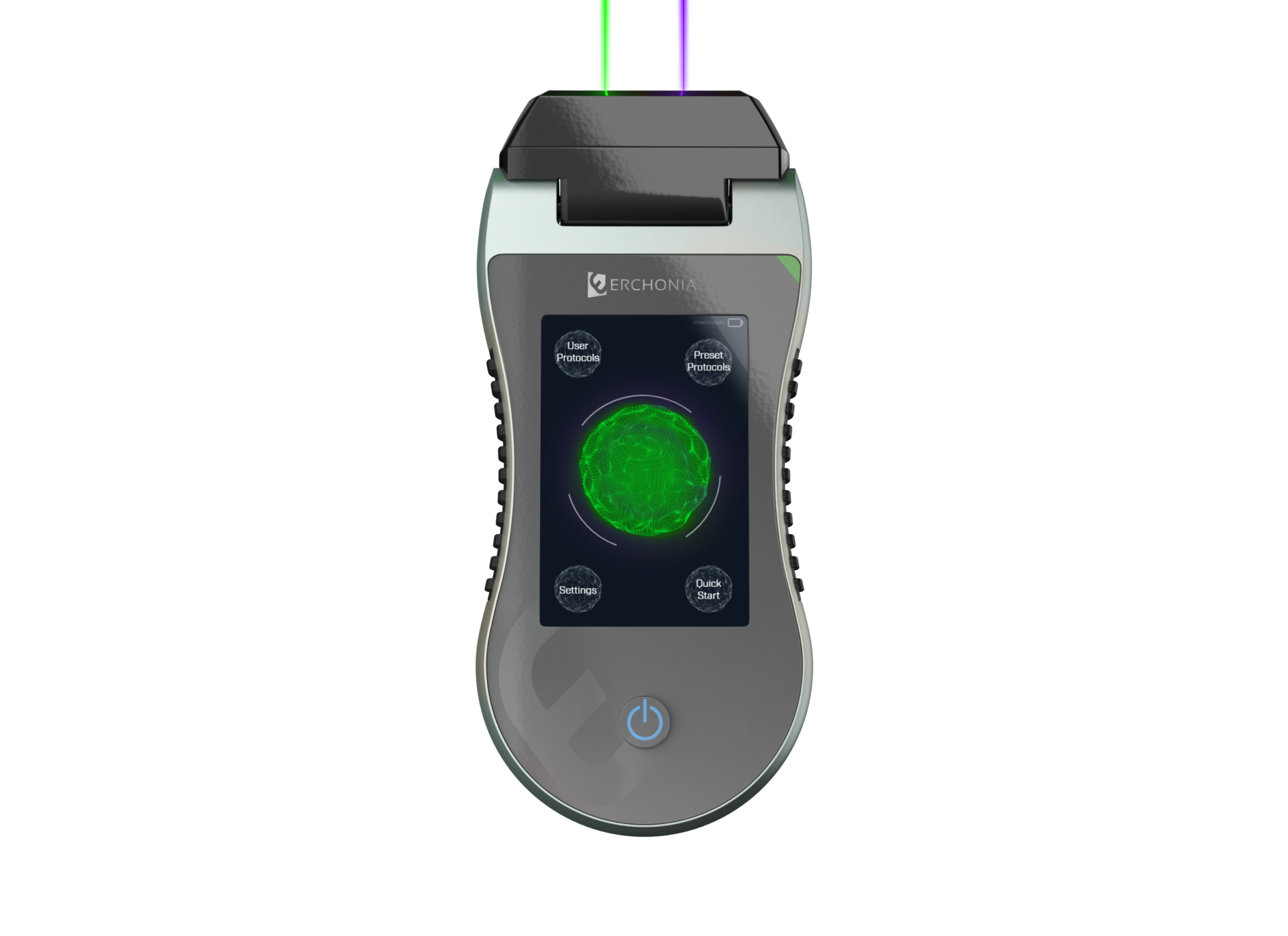
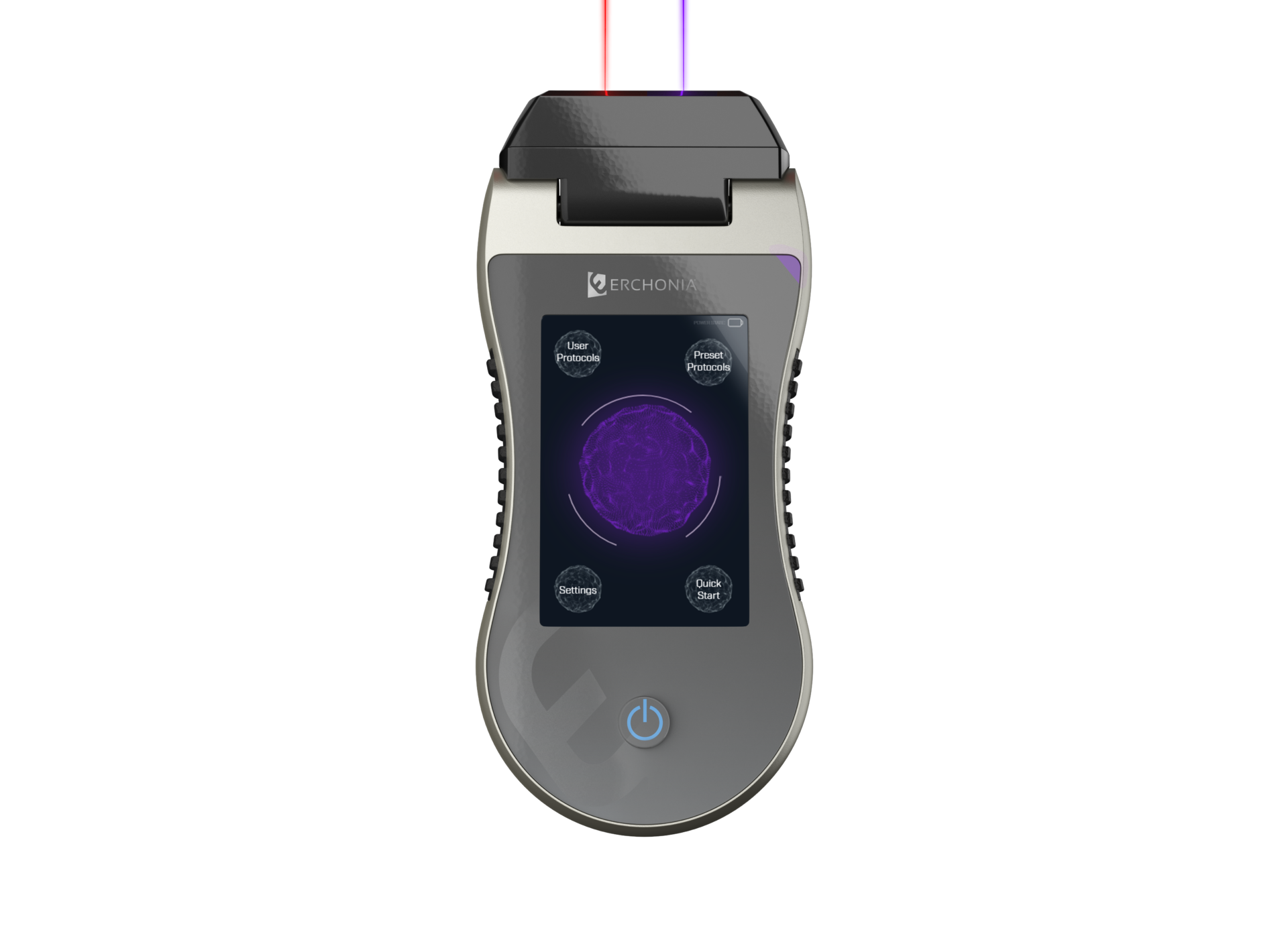
  • True cold laser. Coherent, collimated, single-wavelength output delivered at a controlled dose.
  • Trial-backed indications. Cleared on the strength of placebo-controlled trials, not marketing claims.
  • At-home LED panels. Incoherent, scattered light — used as the sham arm precisely because it is not the active treatment.

LED vs laser

Reported outcomes from randomised, double-blind, placebo-controlled trial arms, with an LED array used as the placebo device.

Clinical trial outcomes comparing laser wavelength combinations against an LED placebo group
LED vs laserRed OnlyRed & VioletGreen & VioletLED (placebo group)
Subjects (n)43444343
Duration of pain (months)61.776.5889.1982
Subjects meeting study success criteria (≥ 30% pain reduction)65%75%81%11%
Improvement in pain, baseline to immediately after treatment48%45%52%8%
Improvement in range of motion (°)14%29%32%2%

Figures as reported by Erchonia from placebo-controlled clinical trials. Individual results vary; refer to the published studies for full methodology.

Practice fit

Clinical and commercial fit

Where it earns its floor space

Lunula suits clinics with a recurring nail caseload and a room that can host a fixed-position unit. Throughput is the deciding factor: because the practitioner is not tied to the device, a busy list absorbs the treatment cycles without losing consult capacity.

Where it may not fit

A single-room practice with a low nail caseload will not recover the floor space. If your fungal nail presentations are occasional rather than routine, a handheld system with broader indications is usually the better first device.

Device selection

What laser is right for you?

Two questions narrow five systems down to the one or two worth a demonstration. This is a starting point, not a prescription — our clinical team will still walk your caseload before anything is quoted.

1. What are you treating?
2. How does it need to fit your practice?

Choose what you treat to see a recommendation.

Book a Lunula Laser demonstration

Lunula is a room-level decision as much as a device decision. These questions let our clinical team answer on your actual caseload rather than a specification sheet.

  • Fixed-position unit — measure clearance in use, not packed dimensions.
  • Operator training and device certification are included in the RehaCare supply pathway.
  • Leasing and finance options are available on capital equipment.

Already know what you need? Browse the RehaCare store for consumables and in-stock clinical ranges.

Lunula Laser enquiry

Your details are sent to the RehaCare team through our store account system. We only use them to set up and support your account.